Special protection against dismissal exists to give certain vulnerable groups of employees extra security. Dismissals of these protected employees, e.g., pregnant women, parents on parental leave, and disabled employees, are only allowed in exceptional cases. They often require prior approval from an authority. This protection goes far beyond general dismissal protection and clearly limits an employer’s ability to terminate. Even where there are business, conduct-related, or sickness-related reasons. If you are affected, defending yourself is normal and often worthwhile, not an attack on your employer.

How much severance pay are you entitled to? Calculate now!
- Calculate your individual severance pay for free
- Calculation of the standard payment up to a very high settlement
- Get a strategy to maximise your severance pay
Key takeaways
- The purpose of “special protection” against dismissal is to protect certain “vulnerable” employees.
- The bar for such terminations is very high. Protection ranges from complete bans on dismissal to requirements from the authorities.
- However, even in cases of special protection, the three-week deadline for challenging a termination in court applies. You need to act to preserve your rights!
- Employees with special protection can negotiate significantly higher severance payments than others (f they want to agree on a termination at all).
Contents
- For whom does special protection against dismissal apply
- Special protection against dismissal vs general protection
- Severance pay with special protection is often higher
- Exceptions to special protection against dismissal
- What can an employee do after receiving a dismissal?
- Frequently asked questions (FAQ)
For whom does special protection against dismissal apply
In Germany, several groups of employees enjoy “special protection” against dismissal because of their particular need for protection. These include in particular:
- Pregnant employees and employees on maternity leave. Pregnant women and mothers up to four months after giving birth are subject to a ban on dismissal. The employer may only dismiss in special cases if the competent authority declares the dismissal permissible in advance.1 Special protection against dismissal begins with pregnancy.
- Employees during parental leave. From eight weeks before the start of parental leave and during parental leave, there is a ban on dismissal. The employer may only dismiss in special cases if the competent authority has previously declared the dismissal permissible.2
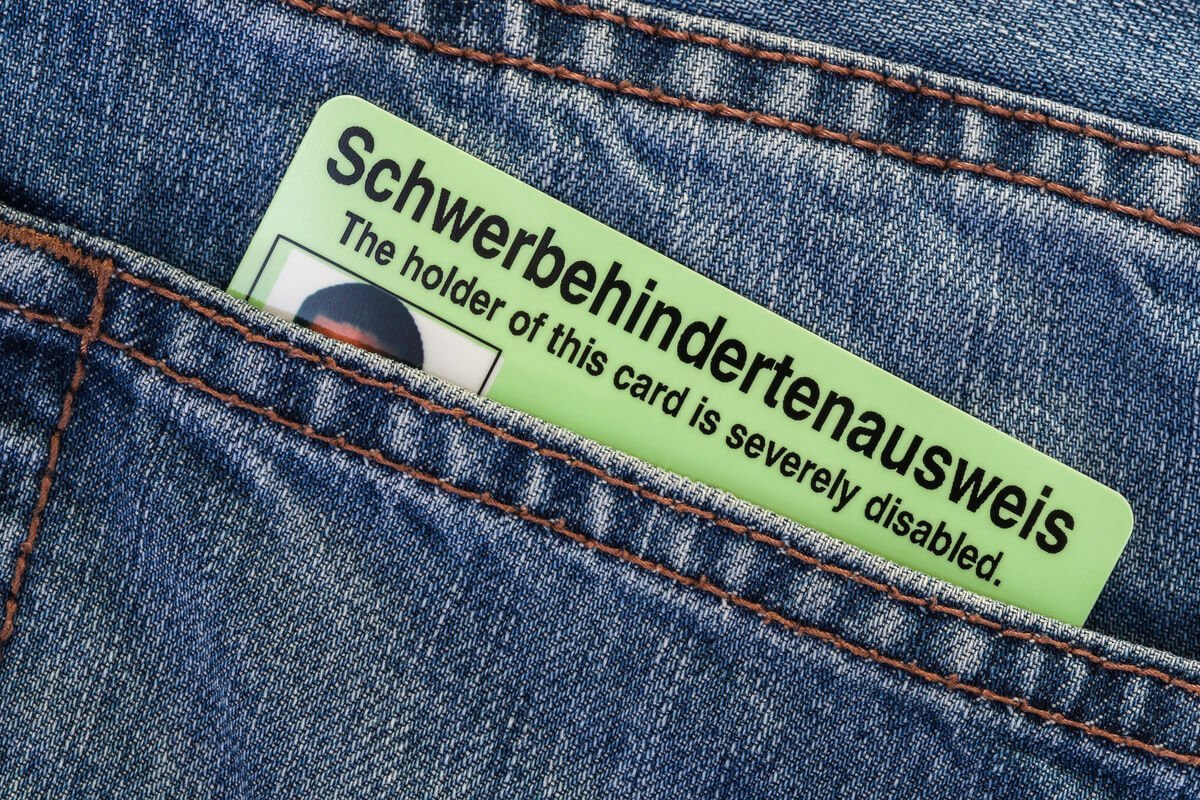
- Severely disabled employees: For this group, dismissal is only possible with prior consent of the Integration Office.3
- Works council members and other employee representatives. They can only be dismissed without notice for good cause. In addition, the works council or the labor court must approve.4 The aim is to protect the independent exercise of their office.
- Employees on care leave: There is a ban on dismissal from twelve weeks before the start of care leave and throughout the care leave.5
Other groups with special protections:
There are further groups that enjoy “special protection” against dismissal, including:
- Apprentices after the probationary period. Once the probationary period is over, the employer can only end the training relationship for cause. Ordinary dismissal is no longer possible.
- Military service personnel. Employers may not give ordinary notice to employees performing compulsory military service or short-term soldiers with no more than two years of service until their service has ended. This also applies for the duration of military exercises. Protection only applies to military service in Germany and EU states. Not to service in the employee’s home country outside the EU. Before and after military service, ordinary dismissal is legal, but not because of the military service per se.
Do you need help with German labor law?
Get a free initial consultation now – with an expert on German labor law!
Special protection against dismissal vs general protection
The main difference between special protection against dismissal and general protection lies in the objective and scope of each system.
General dismissal protection
The Dismissal Protection Act, the KSchG, aims to protect the continuation of employment relationships against socially unjustified dismissals. The employer may only dismiss for person related, conduct related or business related reasons. The employer must comply with the detailed requirements developed by the courts.
The Dismissal Protection Act applies to all employees whose employment has been in place for more than six months. In addition, the employer must normally employ more than ten employees. Otherwise it is a “small business” and the Dismissal Protection Act does not apply.
Special protection against dismissal
On top of general dismissal protection, there is special protection against dismissal. It also seeks to secure the continuation of the employment relationship.
- However, special protection against dismissal does not apply to all employees. But only to particular groups with a higher need for protection, such as pregnant employees, severely disabled employees, employees on parental leave or office holders in specific roles. This can mean that a dismissal that might be valid for another employee is prohibited for a protected employee.
- Because of special protection, an employer must overcome additional hurdles beyond the KSchG and the usual validity requirements for dismissal, such as written form and notice periods. For example, they must obtain authority consent before giving notice to severely disabled employees or during maternity or parental leave.
- Unlike general dismissal protection, special protection usually applies regardless of the size of the business and the length of service.
How much severance pay are you entitled to? Calculate now!
- Calculate your individual severance pay for free
- Calculation of the standard payment up to a very high settlement
- Get a strategy to maximise your severance pay
Severance pay with special protection is often higher
Because the hurdles for a valid dismissal are higher for employees with special protection than for employees with only general protection, the likelihood of a higher severance pay is usually greater when negotiating a termination agreement or court settlement. This practice takes into account the higher need for protection of these groups.
It also reflects the potentially greater difficulty they may face in the job market. Where an employer knows that dismissal may be blocked by an authority or later overturned by a court, they often accept higher severance figures to avoid the risk of losing completely. Well timed dismissal claims in these situations often create strong leverage. German labor courts encourage settlements when the legal position is unclear.
Exceptions to special protection against dismissal
Even special protection against dismissal is not absolute. Important exceptions include:
- Resignation by the employee: If the employee gives notice themselves, special protection does not apply. It only protects against employer initiated dismissals.
- Termination agreements: If the employer and employee sign a mutual termination agreement, special protection provisions do not automatically prevent this. Here, employees should always obtain legal advice, because termination agreements can bring major advantages, but also serious disadvantages, for example for unemployment benefits.
- Expiry of a fixed term contract: When a fixed term contract ends at the agreed time, a dismissal is not necessary, so special dismissal protection does not directly apply.
- For severely disabled employees, there are several statutory exceptions.6 Special protection does not apply:
- if the employment relationship has existed for less than six months when the dismissal is received.
- if the status as a severely disabled person has not been proven at the time of dismissal.
- If the authority could not make a decision on severe disability because the employee failed to cooperate.
- If an application for recognition as severely disabled or for equal status has been rejected, even if an objection or claim is pending.
- If the person is at least 58 years old and entitled to a severance payment or similar benefit under a social plan.
In practice, it is important to check very carefully whether one of these exceptions really applies. Authorities and employers sometimes assume exceptions too quickly, while courts later take a stricter view in favour of the employee, especially where the employee has clearly communicated health issues or disability.
Unfairly dismissed in Germany?
Check your severance pay now – you have only 3 weeks to preserve your severance package!
What can an employee do after receiving a dismissal?
Standard procedure to challenge a termination is an unfair dismissal claim (in labor court), but for employees with special protection against dismissal, there are further options:
Unfair dismissal claim (in court)
- If the employee wants to file a claim, they must usually do so with the labor court within three weeks; missing this deadline can destroy even a very strong case. Filing a claim is standard practice in Germany, and German law forces employees to sue their employer due to the 3-week deadline.
- Exception: If the dismissal requires approval from an authority, the three week period for bringing a claim only starts when the authority’s decision is notified to the employee.7 This applies, for example, to pregnant employees, severely disabled employees, employees on parental leave and employees on care leave.
- However, if the authority’s decision was already notified to the employee before the dismissal was issued, the three-week period runs from receipt of the dismissal, as usual. Because there is room for disagreement in practice about when exactly the deadline starts, it is almost always advisable to assume that the three week period applies from receipt of the dismissal and to act quickly.
- Keeping emails, letters, notices from authorities and internal documents in one place is extremely helpful, because solid documentation often decides how much negotiating power an employee has.
Further options to challenge dismissal
In addition to filing a claim with the labor court, the employee can also challenge the authority’s consent:
- The employee can object to the authority’s decision.
- If the objection is unsuccessful, they can bring a claim before the administrative court against the authority’s approval
It is therefore possible that two proceedings run in parallel. The labor court can decide on all employment law issues, but it is bound by the authority’s decision as long as that decision still stands. Because of this interaction, it is particularly important in special protection cases to seek advice from a lawyer who specialises in employment law, or to check whether legal expenses insurance or external claim financing can cover the costs.
Do you need help with German labor law?
Get a free initial consultation now – with an expert on German labor law!
Frequently asked questions (FAQ)

Free initial consultation with a specialist lawyer
- 15min free initial consultation with a lawyer
- Prompt online appointment via Calendly or quick call-back
- Strategy for negotiating your severance pay
Further links
- Severance pay in Germany: What is the “fair amount”?
- Action for unfair dismissal: costs – how much you really have to pay
- Action for unfair dismissal: When is it worth taking legal action?
- Labour law regulations in the event of termination during pregnancy
- Termination during parental leave in Germany
- Your rights as a pregnant woman in the probationary period
- Employment lawyer: Tips on how to find the right lawyer in Germany
- § 17 MuSchG => Section 17 German Maternity Protection Act ↩︎
- FN: § 18 BEEG => Section 18 Federal Parental Allowance and Parental Leave Act ↩︎
- § 168 SGB IX => Section 168 German Social Code Book IX ↩︎
- § 15 KSchG => Section 15 German Dismissal Protection Act ↩︎
- § 5 PflegeZG => Section 5 German Care Leave Act ↩︎
- § 173 SGB IX => Section 173 German Social Code Book IX ↩︎
- § 4 KSchG => Section 4 German Dismissal Protection Act ↩︎