
Holiday entitlement during notice period in Germany
When your employment ends, questions about unused vacation days often arise. Can you still take your holidays during your notice period? Do you hav...
Frank BroerWhen your employment ends, questions about unused vacation days often arise. Can you still take your holidays during your notice period? Do you hav...
Frank Broer
Are you looking for an employment lawyer in Hamburg? Then you have come to the right place! There are around 10,000 lawyers in Hamburg, including o...
Tanja Enke
Are you looking for an employment lawyer in Frankfurt? Then you've come to the right place! AbfindungsHero can put you in touch with over 5,000 law...
Tanja Enke
Are you looking for an employment lawyer in Cologne? Then you have come to the right place! There are over 6,600 lawyers in Cologne, including 400 ...
Tanja Enke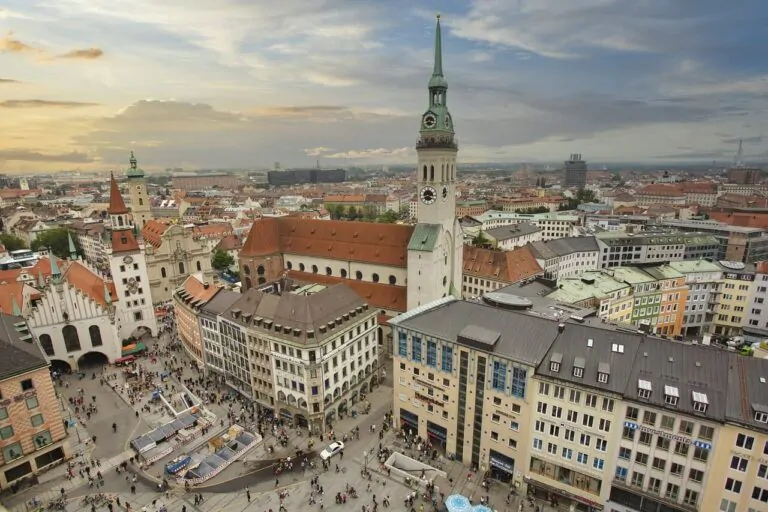
Are you looking for a employment lawyer in Munich? You've come to the right place at AbfindungsHero. Because there are over 14,000 lawyers in Munic...
Timo Sauer
Are you looking for an employment lawyer in Düsseldorf? Then you have come to the right place! There are over 7,000 lawyers in Düsseldorf, includin...
Tanja Enke
German employment law strongly protects employees against unfair dismissal. Employers may only terminate employment for specific operational reason...
Joschka Gommers
A dismissal due to mental illness or burnout is not uncommon. According to health insurance reports, the number of sick days caused by mental illne...
Joschka Gommers
The Unfair Dismissal Protection Act protects - among other things - employees from wrongful termination. It limits valid dismissals to only three c...
Timo Sauer
Result with just a few questions

Only specialist law firms

No fees or hidden payments

Without obligations and risks